IFB Knowledge Exchange Fellow, Dougal Fleming, has led the development of the Business Habitat Calculator - a practical tool designed to help organisations understand and act on their impacts on nature. Working together with Professor Robyn Owen, Dr Amy Burnett of Middlesex University, and Catherine Wilder of Keystone Ecological, they have created a resource that translates complex biodiversity concepts into something businesses can use in day-to-day decision making.
Most businesses understand revenue, costs and compliance. Some are beginning to measure carbon. Far fewer can explain how their operations depend on, and affect, soils, water, habitats and species. This is not due to a lack of interest, but because biodiversity is often seen as too complex or disconnected from commercial priorities.
The Business Habitat Calculator addresses this gap. Using information that can typically be gathered through 2–4 hours of desk-based research, it helps organisations build a clear picture of their:
- Nature-related impacts and dependencies
- Risks and opportunities
- Practical actions for improvement
The tool brings this together through three ‘habitats’:
- Ecological habitat – the business’s location and environmental context
- Market habitat – the commercial case for becoming nature positive
- Regulatory habitat – current and emerging reporting requirements
- Linking Nature and Finance
For biodiversity to be meaningfully integrated into financial decision making, organisations need tools that connect ecological reality with business reality. The Business Habitat Calculator is designed to do exactly that.
It aligns with emerging frameworks such as the Taskforce on Nature-related Financial Disclosures (TNFD) and supports organisations to develop LEAP-style assessments (Locate, Evaluate, Assess, Prepare). It also draws on insights from the IPBES business and biodiversity assessment.
By generating accessible reports, the tool supports communication with key stakeholders, including customers, supply chains, employees, investors and insurers.
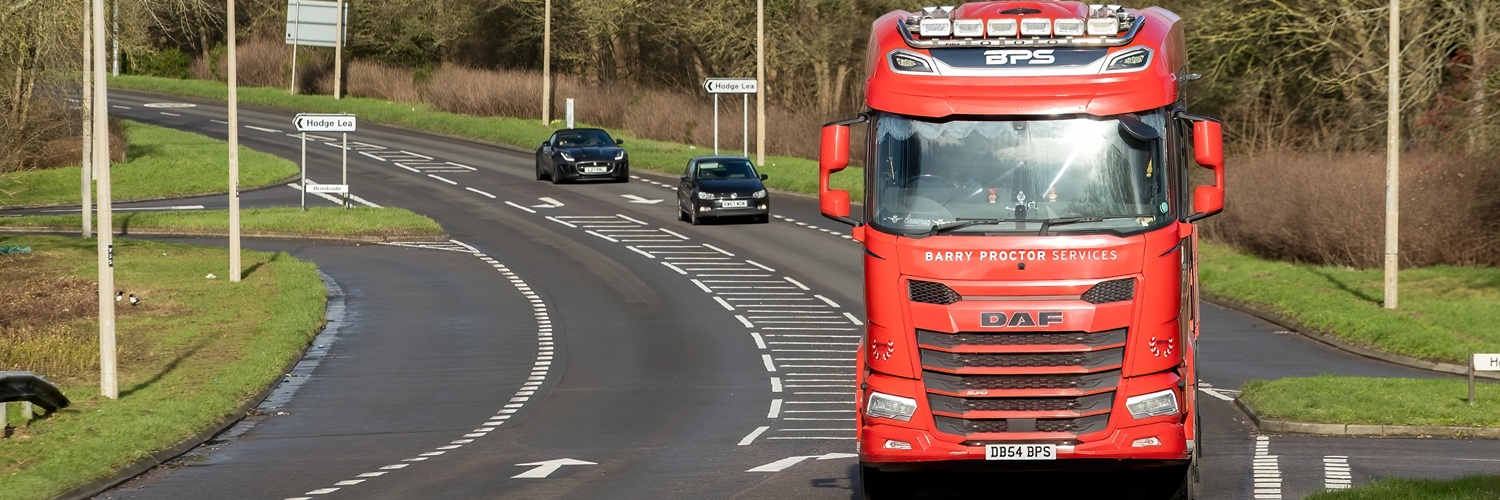
The first version of the tool has been developed for SMEs in the freight and logistics sector, with construction, manufacturing and agriculture planned next.
For example, a haulage company may consider impacts from fuel use, electricity consumption, land use, water use, warehousing, procurement and waste. The calculator helps translate these activities into a clearer understanding of environmental impact—and what to do about it.
Crucially, the tool supports businesses to:
- Avoid and reduce harm
- Mitigate impacts
- Invest in nature-positive actions
- Engage with credible environmental partners
It does this while recognising that biodiversity cannot be reduced to a single metric. The emphasis is on high-integrity, transparent and practical decision making.
The Business Habitat Calculator is more than a measurement tool. It helps businesses understand their place within the natural world—and act with greater clarity, responsibility and ambition.
If you are interested in learning more or supporting the next phase, please contact Dougal.