How can we put an economic value on nature, and what happens when biodiversity loss begins to influence financial markets?
A free webinar on Monday 9 November will explore the relationship between ecological change, economic valuation and global financial markets, using examples ranging from the deteriorating health of Lough Neagh to biodiversity-related investment and international agricultural markets.
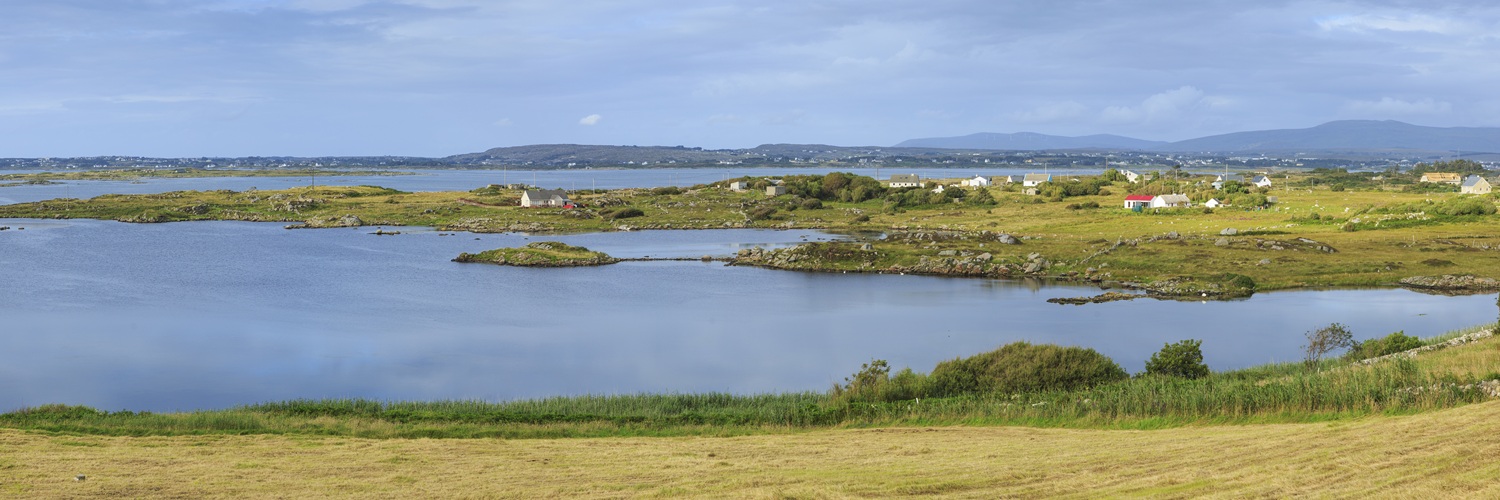
Lough Neagh, the largest freshwater lake in the UK and Ireland, has experienced recurring toxic cyanobacterial blooms, threatening public health, recreation and commercial fisheries. Beyond the environmental damage, the lake's declining condition represents a significant loss of natural capital.
The webinar will examine how economic valuation can help quantify the value of the lake's ecosystem services, providing evidence to identify conservation priorities and inform decisions about its future management.
Moving from local ecosystems to global financial markets, the speakers will explore how biodiversity-related risks and opportunities are reflected in investment performance and commodity prices.
They will consider whether biodiversity-themed exchange-traded funds (ETFs) can deliver competitive risk-adjusted returns while supporting nature-related investment objectives. The session will also investigate whether daily news sentiment about biodiversity influences soybean futures prices, revealing potential connections between environmental concerns and agricultural markets.
Bringing together perspectives from environmental economics, nature finance and market analysis, the webinar will offer valuable insights for researchers, policymakers, investors and anyone interested in understanding the economic consequences of biodiversity change.
Webinar details
Valuing Nature: From Local Lakes to Global Markets
Date: Monday 9 November 2026
Time: 12:30–13:30 CET (11:30–12:30 GMT)
Format: Online webinar – free to attend
Speakers:
- Dr Yu Shing (Samuel) Cheng
- Dr Junyu Zhang
- Dr Fearghal Kearney